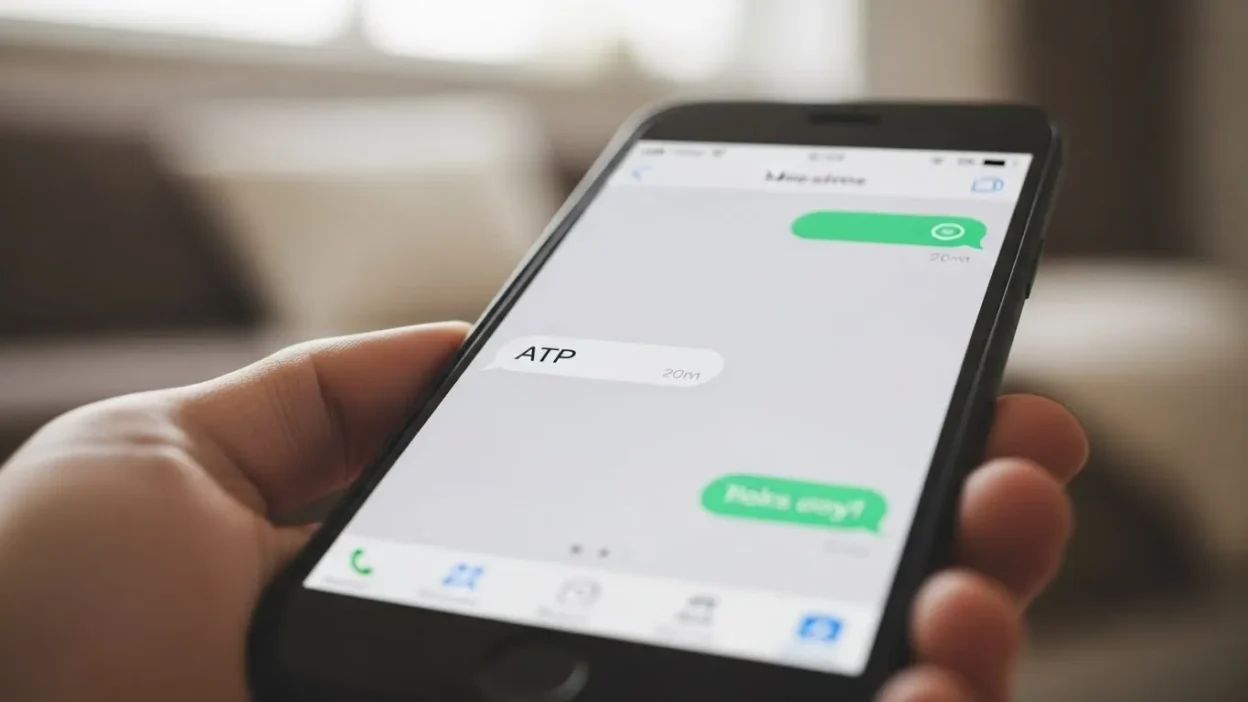
Have you ever been scrolling through TikTok, Snapchat, or a group chat and stumbled upon “ATP” and thought, “Wait… what does that even mean?”
You’re not alone! Slang abbreviations can be tricky, especially when they pop up out of nowhere. I remember seeing “ATP” in a chat with my friends and scratching my head, unsure if it was a typo, some secret code, or a genuine slang term.
After a bit of digging, it all became clear and now I’m here to explain it to you in plain, simple terms.
Quick Answer: ATP means “At The Point.”
It’s a casual, friendly way of saying someone is being direct, getting to the main topic, or focusing on the key issue.
What Does ATP Mean in Text? 🧠
ATP stands for “At The Point.” Essentially, it’s used to describe messages, conversations, or people who get straight to the main idea without unnecessary details. Think of it as someone cutting through the fluff to focus on what really matters.
Example sentence:
- “I like how you’re ATP in your messages, no extra chatter 😄”
In short: ATP = At The Point = Direct, straightforward, focused.
Where Is ATP Commonly Used? 📱
ATP is popular in casual texting and online chats, especially among younger audiences who enjoy quick, no-nonsense communication. Here are the common spots you might see it:
- Snapchat 👻 Friends keeping conversations short and snappy.
- TikTok 🎵 Comments or captions highlighting someone’s directness.
- Gaming chats 🎮 When teammates want concise, focused messages.
- Discord & WhatsApp 💬 Group chats where clarity is appreciated.
Tone: Casual, friendly, and social-mediafriendly. Avoid using ATP in formal emails or professional conversations.
Examples of ATP in Conversation 💬
Here are some realistic examples of how ATP shows up in texting:
A: can you explain the plan again?
B: sure, ATP, we meet at 5, bring snacks, and leave by 7 🍕
A: this essay is way too long
B: just focus ATP on the intro and conclusion ✍️
A: why did you ignore the group chat?
B: not ignoring, just being ATP, only responding when necessary
A: are you free tomorrow?
B: ATP, yes, 3 PM works best
A: your post was kinda confusing
B: thanks, ATP, I just wanted to highlight the main points
A: should I include all the data?
B: no, ATP, only the key stats 📊
When to Use and When Not to Use ATP 🕓
✅ When to Use:
- Casual chats with friends or peers
- Group messaging to keep things brief
- Online discussions where clarity matters
- Gaming or social media threads
❌ When Not to Use:
- Formal work emails
- Urgent or serious situations
- Conversations requiring detailed explanations
Comparison Table:
| Context | Example Phrase | Why It Works |
| Friend Chat | “No fluff, ATP 😄” | Casual & friendly |
| Work Chat | “Let’s stay focused on key points.” | Polite & professional |
| “Please address the main points.” | Formal & clear |
Similar Slang Words or Alternatives 🔄
| Slang | Meaning | When to Use |
| TL;DR | Too long; didn’t read | Summarizing long texts |
| FYI | For your information | Sharing info casually |
| IMO | In my opinion | Giving personal thoughts |
| BRB | Be right back | Quick pause in conversation |
| SMH | Shaking my head | Expressing disbelief casually |
FAQs
Q1: Is ATP formal or casual slang?
A: ATP is casual and best used in texting, social media, or informal chats.
Q2: Can ATP be used in professional settings?
A: It’s not recommended for formal emails or professional messages; stick to full phrases like “let’s focus on the main point.”
Q3: Is ATP the same as “getting to the point”?
A: Yes! ATP is just a shorthand way to say someone is being direct or concise.
Q4: How do I know if someone is using ATP positively?
A: Usually, it’s meant as a compliment praising someone for being straightforward and clear.
Q5: Are there other abbreviations like ATP?
A: Yes! TL;DR, FYI, and IMO are some of the most common alternatives for concise communication.
Conclusion
ATP in text is a handy abbreviation for “At The Point”, letting you communicate directly and efficiently in casual conversations.
It’s widely used on Snapchat, TikTok, Discord, and gaming chats, offering a friendly, no-nonsense tone.
Remember, it’s perfect for informal settings but avoid it in formal emails or professional messages.
By understanding ATP and its context, you can join the conversation confidently and keep your messages clear, concise, and relatable.