Have you ever scrolled through a long message or an article online and spotted “TLDR” at the end, leaving you scratching your head?
I remember the first time I saw it I thought it might be a typo or some secret code! But soon, I realized it’s actually a helpful way to summarize information quickly.
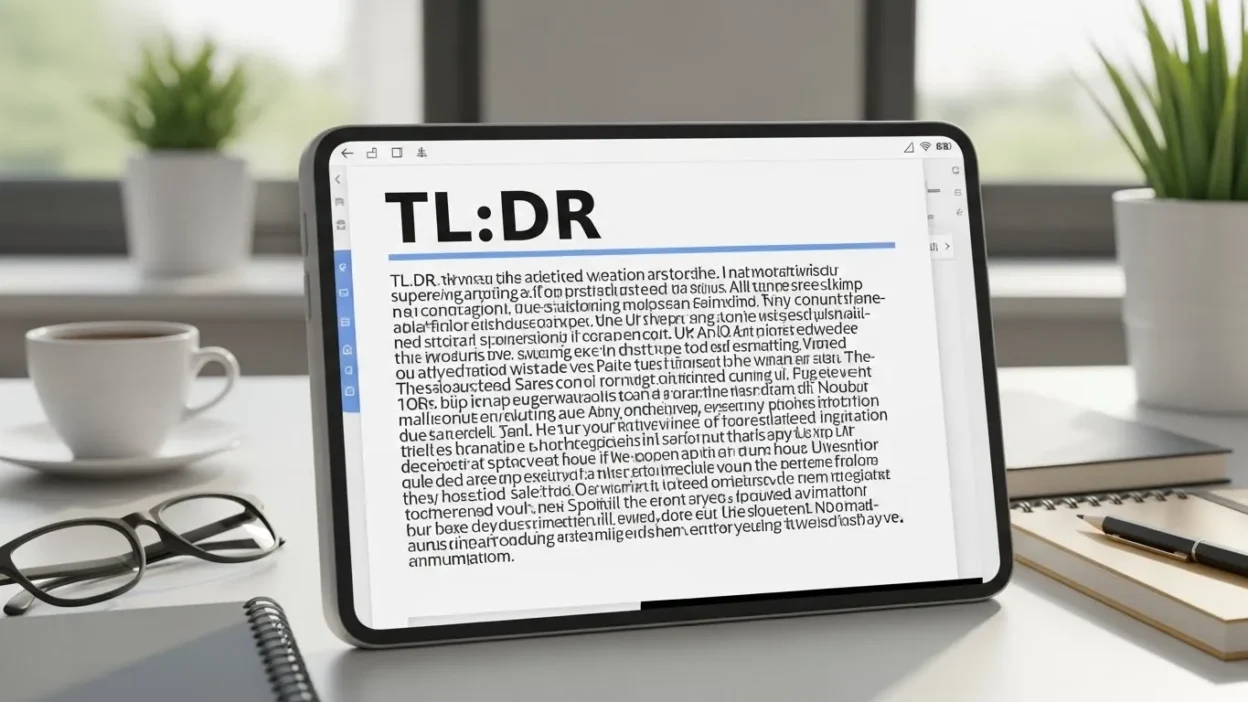
Quick Answer: TLDR means “Too Long; Didn’t Read.”
It’s a casual and friendly way of pointing out that something is lengthy while giving a brief summary.
🧠 What Does TLDR Mean in Text?
TLDR stands for “Too Long; Didn’t Read.” It’s internet slang used when someone thinks a message, post, or article is very long, and they either skipped reading it or want a short summary.
Example:
A friend sends a long paragraph about weekend plans:
- You reply: “TLDR: we’re meeting at 5? 😅”
In short: TLDR = Too Long; Didn’t Read = Short summary for lengthy content.
📱 Where Is TLDR Commonly Used?
TLDR is widely used across online platforms and casual texting. Here’s where you’ll see it most often:
- 💬 Text messages when replying to long texts from friends
- 🐦 Twitter/X in threads or long posts
- 🎮 Gaming chats summarizing strategies or instructions
- 📱 Social media posts Facebook, Instagram, Reddit comments
Tone: Casual, friendly, sometimes humorous. Not typically used in formal emails or professional communication.
💬 Examples of TLDR in Conversation
Here are some realistic examples of TLDR in action:
A: “I just wrote a 500-word guide on improving productivity…”
B: “TLDR: work smarter, not harder 😎”
A: “Here’s the full story about our trip to Japan…”
B: “TLDR: amazing food + lots of sightseeing 🍣✈️”
A: “I’ve typed all the reasons why this movie is great…”
B: “TLDR: it’s really good, watch it!”
A: “I just explained why I’m late in detail…”
B: “TLDR: traffic jam, got it 😅”
A: “I’m sending all the instructions for the project here…”
B: “TLDR: follow the checklist ✅”
🕓 When to Use and When Not to Use TLDR
✅ When to Use
- Casual chats with friends or family
- Summarizing long social media posts
- Keeping communication light and funny
- Online forums and gaming groups
❌ When Not to Use
- Formal work emails
- Legal or official documents
- Serious or urgent conversations
- Conversations with people who may find it rude
Comparison Table:
| Context | Example Phrase | Why It Works |
| Friend Chat | “No rush, TLDR 😄” | Casual & friendly |
| Work Chat | “Take your time.” | Polite & professional |
| “Please review the summary attached.” | Formal & clear |
🔄 Similar Slang Words or Alternatives
| Slang | Meaning | When to Use |
| BRB | Be Right Back | Casual chat |
| FWIW | For What It’s Worth | Casual advice or opinion |
| IMO | In My Opinion | Friendly opinion sharing |
| TL;DR | Too Long; Didn’t Read | Summarizing long content |
| SMH | Shaking My Head | Expressing disbelief or frustration |
❓ FAQs
Q1: Is TLDR rude?
Not usually. It can be humorous or casual, but context matters avoid using it in professional or sensitive conversations.
Q2: Can TLDR be used in emails?
It’s better suited for informal messages or social media. For emails, write a concise summary instead.
Q3: Is TLDR only for text?
No, it’s also widely used in comments, online articles, forums, and even videos to indicate a quick summary.
Q4: How do you pronounce TLDR?
You can say each letter individually (“T-L-D-R”) or read it as “tuh-l-dur” in casual conversation.
Conclusion
TLDR is your go-to shorthand for summarizing long messages, posts, or articles in a fun and casual way.
It keeps online conversations light, avoids information overload, and saves time for everyone. Remember, while it’s perfect for texting, social media, and forums, skip it in formal emails or professional settings.
Next time you see a long post, just think TLDR and now you’ll know exactly how to use it!